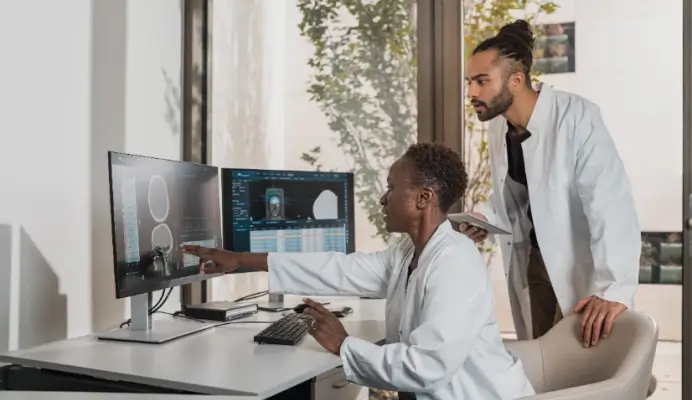
Our technology spans the patient journey to streamline processes and connect physicians, no matter where they are.
We’re driving more accessible medical imaging. Learn more about how our products and features are transforming imaging processes.
Selecting the right imaging partner goes beyond replacing legacy PACS technology. Healthcare organizations must evaluate how a partner supports reliability, scalability workflow efficiency, innovation readiness, and measurable operational impact.
Radiologists struggle to share work across systems because each PACS manages workflow independently. Centralized workflow orchestration helps balance workloads, streamline collaboration, and scale reading operations across organizations.
EHR strategies fall short when imaging lives outside clinical workflows. True imaging integration embeds images directly into the EHR - eliminating context-switching, reducing duplicate exams, and enabling faster, more confident decisions across the enterprise.
Radiology groups expand coverage across multiple facilities by enabling friction-free remote reading through unified cloud solutions that eliminate the complexity of managing disparate hospital systems.
Remote reading has become essential to enterprise imaging operations because healthcare organizations need scalable, flexible solutions to address critical workforce shortages, fluctuating imaging volumes, and 24/7 subspecialty coverage demands.
If the Find It Early Act is passed, breast imaging providers should prepare for a sharp increase in diagnostic imaging demand.
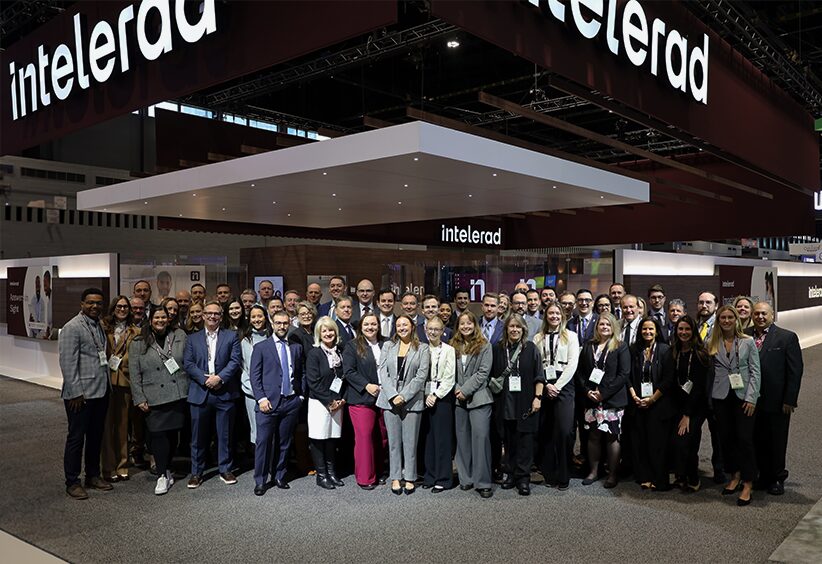
Leading radiology groups choose Intelerad for its reliability, workflow cohesion, and long-term adaptability.
Modern cardiology platforms integrate all cardiac modalities into a unified system with automated documentation, real-time analytics, and built-in registries, eliminating fragmented workflows and redundant data entry.
The radiologist workforce crisis exists because imaging demand is increasing faster than the supply of radiologists, and many organizations view teleradiology as an essential way to fill gaps.
InteleScreen is breaking barriers in breast imaging by using AI to help radiologists detect subtle, early signs of breast cancer, empowering earlier diagnosis and better patient outcomes—according to Dr.
Patient-centric imaging uses modern technology to make medical imaging more accessible, efficient, and collaborative—improving care quality and patient experience while reducing operational barriers, according to Intelerad and recent industry surveys.
Patient engagement has become a major competitive differentiator driven by increased demand for transparency in medical care, with patients expecting to view test results, manage care, and communicate with providers on their own time.