How does intelligent workflow automation work?
InteleOrchestrator’s assignment engine constantly evaluates and prioritizes cases in real time using multiple variables. The system accounts for radiologist subspecialty, credentials, workload, location, and availability while factoring in service-level agreement (SLA) requirements and STAT escalation needs. Cases are automatically and consistently distributed to ensure the right study is read by the right person at the right time.
What are the benefits of automated case distribution? A smart, context-aware worklist creates a more balanced workload across the organization. This results in higher quality interpretations, reduced turnaround time, and higher radiologist satisfaction. The system eliminates costly over-reads by ensuring radiologists only read exams for which they are credentialed, preventing wasted subspecialist resources on studies outside their expertise.
What business metrics can workflow systems track?
InteleOrchestrator provides an analytics platform that measures practice productivity, value, and quality through comprehensive workflow data. Performance dashboards track individual reading workload and progress with integrated analytics to compare trends over time.
Which specific metrics are available for analysis? The system monitors turnaround times for every segment in the exam lifecycle, averaged by shift, reading location, radiologist, modality, site, and priority. Additional metrics include time spent in dictation for each exam aggregated by procedure code, when and where exams were read, radiologist type (FT/PT/teleradiologist, subspecialty), operations requests with time spent completing them, results communication time, and exam metrics including body part, subspecialty, RVU, work unit, SLA compliance, and subspecialist read status.
How can workflow data improve radiology quality?
Workflow analytics identify quality vulnerabilities and enable targeted solutions. InteleOrchestrator incorporates a double-blinded peer review process with random assignment, supporting both ongoing peer review to meet specific quotas across site, radiologist, and modality, and focused peer review for controlled assignment by exam type or radiologist in areas needing improvement.
What does peer review data reveal about quality patterns? Analysis of unfavorable peer review scores by time of day shows radiologists are more inclined to make mistakes when busy, tired, or hungry. Monitoring this data over time establishes when quality is most vulnerable. Organizations can then investigate workflow changes such as assigning easier cases during mid-day hours to radiologists who have been working longer, or implementing schedule changes to mitigate quality risks during vulnerable periods.
Can workflow systems integrate with existing technology?
InteleOrchestrator works with a variety of third-party diagnostic viewers and voice recognition systems. When paired with Intelerad’s InteleOne XE interoperability solution, it seamlessly links users from a single diagnostic viewer interface to patient images and reports stored in disparate systems across an organization’s imaging ecosystem.
What does cross-enterprise workflow integration enable? The combination aggregates reading tasks and relevant priors from any repositories across the enterprise into a single, actionable, intelligent worklist. This unified workflow enhances productivity and resource utilization organization-wide. All authorized users—whether at imaging centers, hospitals, remote facilities, or working from home—experience seamless, universal access to patient orders, images, and structured reporting across diverse patient identifier domains.
Why does intelligent workflow help retain radiologists?
A modernized reading environment makes it easier to attract and retain radiologists, addressing a key concern for imaging organizations. According to Worth Saunders, CEO of Greensboro Radiology and President of Canopy Partners, “The combination of Intelerad’s workflow and diagnostic solutions with its intelligent worklist technology has allowed us and our clients to manage workflow more efficiently and intelligently. It’s been a key driver of our growth.”
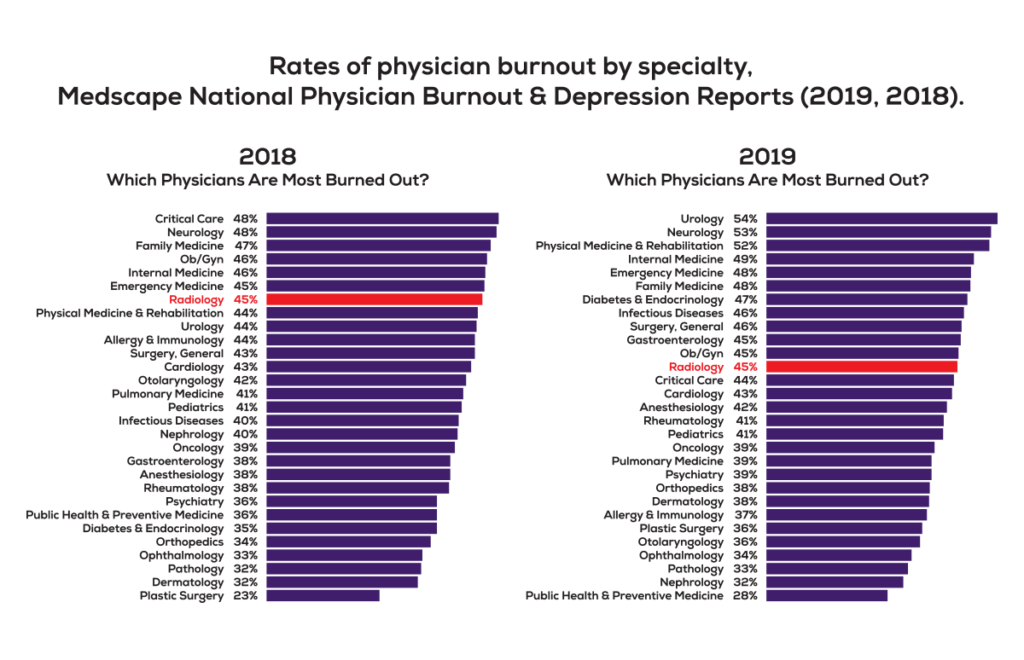
How does automation reduce radiologist burnout? Removing the burden of deciding which study to read next increases efficiency and productivity of an organization’s most expensive resources. Streamlining the process of locating relevant priors stored in other systems, using analytics to identify bottlenecks, and reducing study backlog all contribute to a more sustainable working environment that supports radiologist satisfaction and retention.
Is intelligent workflow compatible with AI tools?
Intelerad’s intelligent workflow technology is AI-enabled and can be augmented with meaningful information through a vendor-neutral interface. This capability is critical as artificial intelligence’s role in medical imaging evolves and becomes more established, allowing organizations to integrate AI tools without disrupting existing workflows.
What results can organizations expect from intelligent workflow?
Establishing a unified, intelligent, cross-enterprise workflow is vital to the success and growth of medical imaging operations—whether hospital-based, imaging center, or independent radiology practice. Organizations can increase efficiency and productivity, streamline prior exam retrieval, use analytics to identify and solve bottlenecks, increase interpretation quality, reduce study backlog, eliminate costly over-reads, and establish or enhance multi-specialty 24×7 support. The possibilities expand significantly once organizations implement intelligent, automated workflow technology that removes manual worklist management barriers.