May 31, 2013
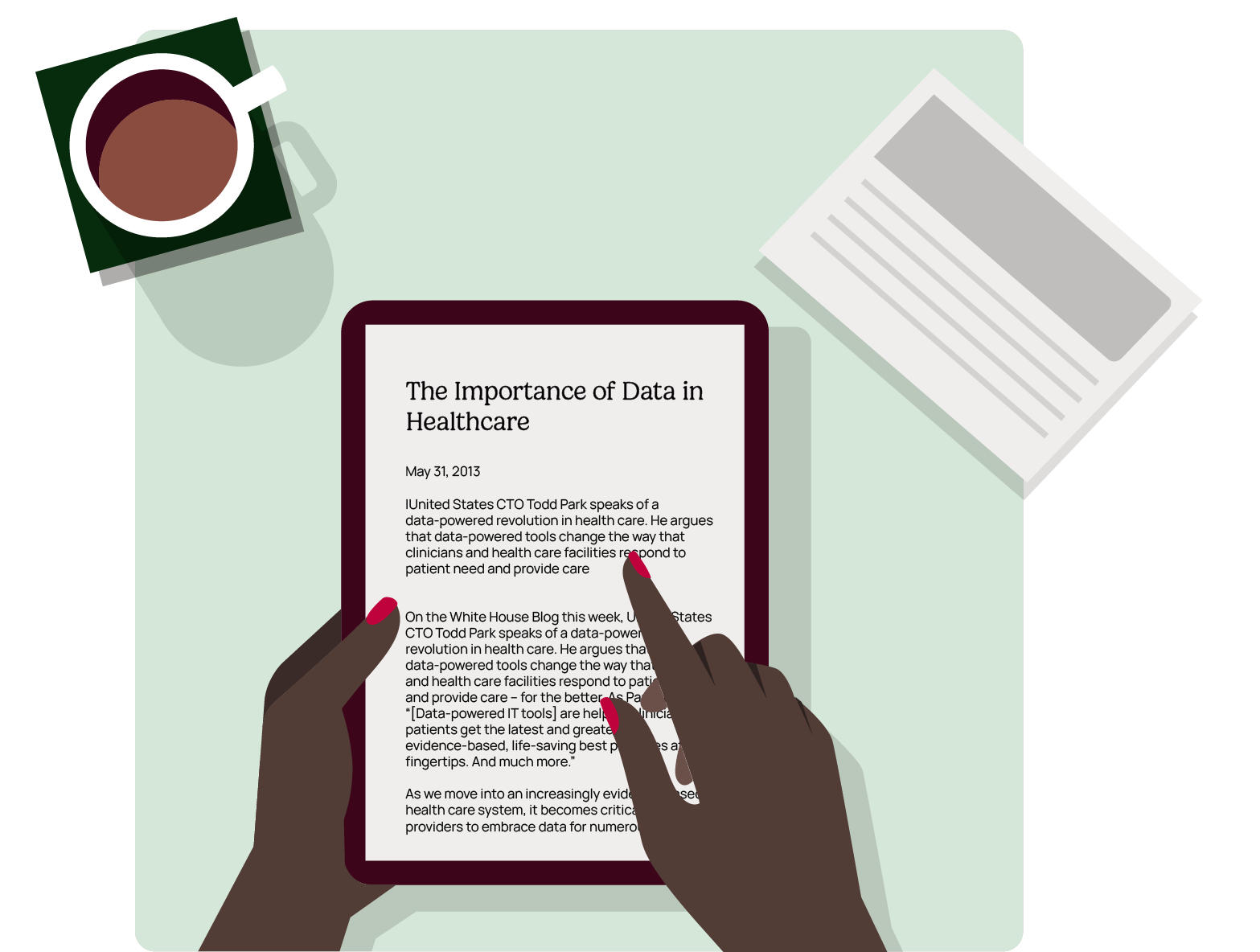
On the White House Blog this week, United States CTO Todd Park speaks of a data-powered revolution in health care. He argues that data-powered tools change the way that clinicians and health care facilities respond to patient need and provide care – for the better. As Park puts it, “[Data-powered IT tools] are helping clinicians and patients get the latest and greatest evidence-based, life-saving best practices at their fingertips. And much more.”
As we move into an increasingly evidence-based health care system, it becomes critical for providers to embrace data for numerous reasons.
Meaningful data allows clinicians and hospital staff to make informed decisions to improve quality of care.
In his post, Park talks about how data-powered IT tools are “enabling clinicians to analyze their patient population, understand who needs help (including and especially patients who haven’t been able to come into their office), and proactively reach out and give those patients the care they need.”
In addition, being able to monitor and analyze clinical data allows facilities to understand where programs are working – and where they need improvement.
Aggregating data from different areas allows facilities to see the bigger picture.
Instead of keeping data separate across various repositories, creating a comprehensive system allows health care providers to see how their organization is doing on a macro level. By seeing the full picture of a facility’s data – financial and clinical – management can see how business practices affect clinical performance.
Quality data means higher facility performance.
Registries, insurance companies, and third-party payers are now, more than ever, closely examining a facility’s numbers. By ensuring that the data they provide is error-free, health care facilities can accurately represent their performance and receive maximum reimbursements.
At LUMEDX, we believe that the data-powered revolution in health care is well underway and look forward to seeing how innovations continue to shape and improve patient care. How do you see data shaping care delivery at your facility?