Intelerad is now a GE HealthCare company. Learn more about this partnership.
Our technology spans the patient journey to streamline processes and connect physicians, no matter where they are.
Intelerad has introduced Cloud DR, a cloud-native disaster recovery solution that provides secure, scalable, and immutable storage for medical imaging data—helping healthcare organizations protect against breaches, disasters, and downtime.
Cloud DR is a disaster recovery solution designed for healthcare imaging. It creates secure, isolated, and immutable copies of medical images with unlimited capacity, ensuring data protection against natural disasters, human error, technological failures, and cybersecurity threats.
Healthcare faces rising cybersecurity risks. According to Sophos’ 2021 State of Ransomware Report, 34% of healthcare organizations were hit by ransomware, with attackers encrypting files in 65% of cases. Additionally, Healthcare Dive reported 40 million patient records compromised in 2021.
Cloud DR offers:
This ensures peace of mind for hospitals, health systems, and radiology groups.
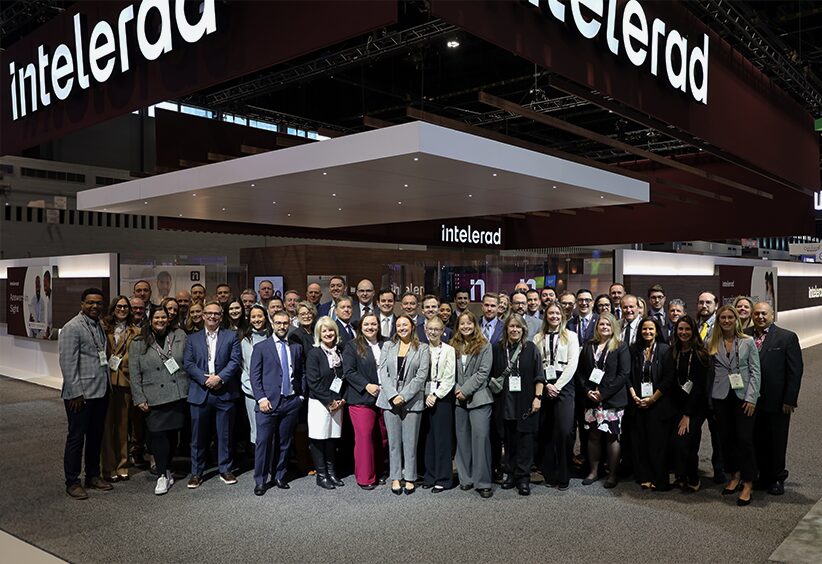
At RSNA 2021, Intelerad showcased Cloud DR as part of its commitment to supporting clients through cloud adoption. CEO Mike Lipps emphasized:
Explore details and benefits at:
Managing radiology operations across multiple sites requires more than a traditional PACS. From centralized architecture and unified worklists to scalable storage, interoperability, and remote reading capabilities, the right platform is essential for supporting distributed imaging networks. Explore 10 key considerations when evaluating a PACS designed to support multi-site radiology operations.
As healthcare organizations expand, disconnected imaging systems can create challenges for image access, storage, sharing, and workflow management. Explore how enterprise imaging supports a more unified approach across growing healthcare environments.
Explore how teleradiology can help healthcare organizations build more flexible radiology coverage models through after-hours, overflow, subspecialty, and hybrid reading strategies.